Pneumonia, a medical condition that affects your lungs, is caused by bacteria viruses or fungi. Lung inflammation can lead to a swelling of the lungs and pus. In “bilateral” and “double” pneumonia, one or both of the lungs can be affected.
There are many types of pneumonia. These are some of the types.
- Hospital-acquired Pneumonia: Also known by HAP, this classification is based on the fact that people who have been admitted to the hospital for a long time are more likely to contract the infection. This infection can be severe and resistant to antibiotics.
- Community-acquired Pneumonia: This is, as the name suggests, the type that can be contracted outside of a medical setting.
- Ventilator-associated pneumonia: Abbreviated as VAP, this bacterial infection is contracted when using a ventilator.
- Aspiration pneumonia: This is the type of infection that can be inhaled from food, drink or saliva.
Pneumonia Symptoms
Pneumonia symptoms can vary from mild to severe. These are:
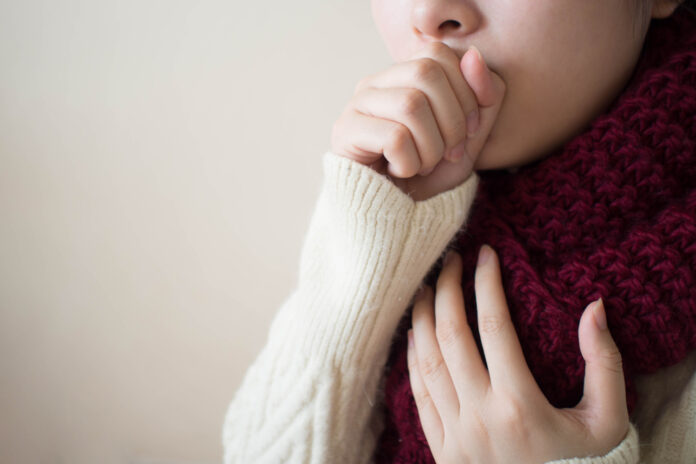
- Coughing
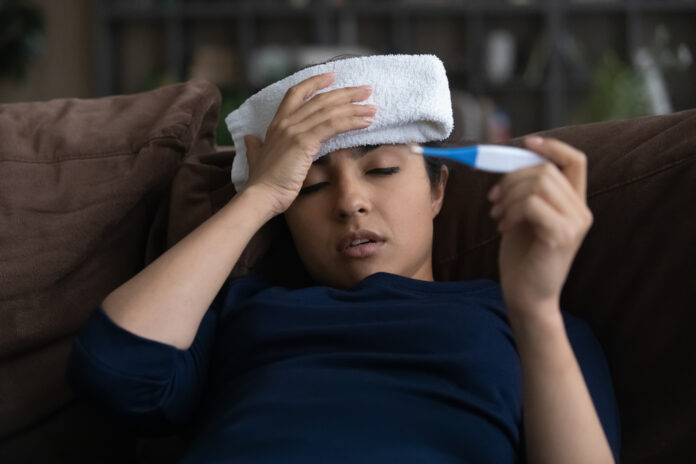
- Fever
- Sweating or chills
- Vomiting and nausea
- Headaches
Treatments For Pneumonia
Treatment of pneumonia involves both the prevention and treatment of the infection. Patients with CAP can be treated at-home with prescribed medications by a doctor. There are several treatment options for CAP. These vary depending on the severity of the condition and the patient’s age. These are the options:
- Antibiotics: Bacterial pneumonia can be treated by medications. It may take some time to determine the exact type of bacteria that is causing the infection. If the symptoms don’t improve, consult your doctor.
- To reduce the symptoms of a cough, you can also take cough medication. It isn’t ideal to get rid of your cough completely, as coughing can help to move fluid from your lungs.
- These medications may be prescribed to relieve the pain and discomfort caused by the infection. For pain relief, drugs such as aspirin or ibuprofen can be helpful.
- Hospitalization