
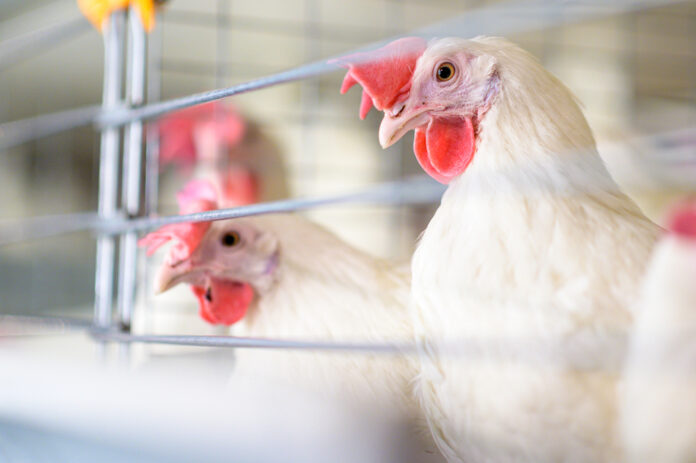
A global avian influenza outbreak that has infected many birds has been reported to have spread to other mammals over the past few years. Many people are worried that the “Avian Influenza”, a variant of bird flu, may be spread to humans as a result of the recent outbreak. This article will cover the most important facts and information about Avian flu.
The Avian Flu Outbreak
The Centers for Disease Control and Prevention states that the current flu epidemic is the worst ever seen in America, with 60 million chickens being affected. Almost all Avian Influenza cases were in wild birds. However, some cases were also reported in poultry farms.
The U.S. The U.S. Department of Agriculture (USDA), however, has highlighted the fact that flu has spread to mammals. Numerous animals including mountain lions and bobcats have been found to have caught the flu, including foxes (raccoons), foxes, bobcats, and foxes. Tedros Adhanom Gebreyesus (Director-General, World Health Organisation) has downplayed flu risk in humans. He believes that the flu risk is still low. In a press release issued on February 8, the organization acknowledged this fact.
The DG states that bird flu was first discovered in the late 1990s and that only a few cases of human flu have been reported. He warned, however, that humans should be aware of the possibility of a flu epidemic in the future.
Signs and symptoms of bird flu
Bird flu can be seen in many ways. The following symptoms are indicative of bird flu in humans:
- Cough;
- Fever reaching 38 degrees celsius;
- Headache;
- Muscle aches;
- Runny nose;
- Diarrhea;
- Malaise etc.
The Avian Influenza –H5N1
Bird flu can come in many forms. The HN51 was the first human-acquired avian Influenza. This was the first instance of this happening in Hong Kong, around 1997. Patients mentioned that they had previously handled infected poultry before contracting the disease.
H5N1 is a natural infection in wild animals. However, it can be transmitted to domestic birds. It can also be transmitted to humans by contact with infected birds’ feces, nasal secretions or mouth or eyes secretions.
The disease is not contagious in humans if they eat cooked poultry or eggs from infected bird. They must be careful. Eggs should not be served raw. You can also cook meat at 73.9 degrees Celsius.
Risk Factors for Bird Flu
Some studies have shown that infected birds can release the virus for up to ten days. Certain risk factors may increase your chances of contracting the disease. Here are some of the risk factors:
- You are a poultry farmer.
- If your are a traveler who has visited/is visiting the affected regions;
- If your body has been infected by any bird,
- If you’ve had undercooked chicken or eggs; or
- Healthcare worker caring for infected patients.