Also known as androgen, testosterone is also known by the name testosterone. It is a major hormone in males as well as females. It regulates libido, sperm production, and muscle mass. Scientists have shown that testosterone is required by females as well as male sex hormones. These hormones are then converted into estradiol in females.
The testes in males produce this testosterone. In females, the testosterone is produced by the ovaries. Tiny amounts of testosterone may be produced by both the male and female adrenal glands.
These hormones are vital for males because they control many of the changes and development that take place in the body. These hormones include:
- Sperm creation;
- Strengthening muscles and bones;
- Cognitive function and health;
- Heart health and Even
- Sex drive etc.
For females, testosterone is responsible:
- Maintaining levels of hormones;
- Enhancing sex drive, fertility;
- Making new blood cells.
- Cognitive function and health; and
- Heart health.
Testosterone Levels Based on Age
According to the American Urological Association’s (AUA) guidelines, a testosterone level of 300 nanograms or less is the minimum required nanograms per deciliter for males. Low testosterone would be defined as anything below this level in males. Normal testosterone levels for women aged 19 or older should be between 15 and 70 ng/dL. The testosterone levels of both sexes should peak at around 18-19 years old. It then begins to decrease as you get older. The testosterone level for males aged 7-10 years should be between 1.80 and 5.68. For females it should be between 2.69 and 10.29. The testosterone level for males between 13 and 17 years should be between 208.08 and 496.58, while it should be 16.72 to 31.55 in the case of females.
Signs of low testosterone in men
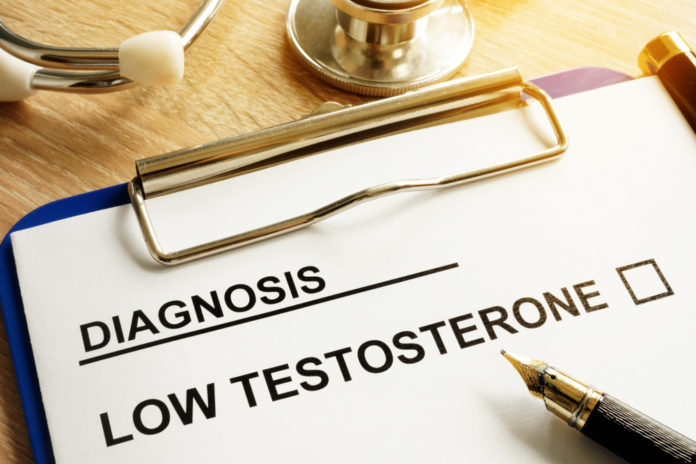
Low testosterone can cause many symptoms. A testosterone test can usually diagnose this condition. The test measures the hormone levels in the body. These signs are for males:
- Lessened sexual desire,
- Fewer spontaneous erections;
- Impotence;
- Infertility and even
- Erectile dysfunction (ED).
Signs of high testosterone in women
We mentioned testosterone being present in women at lower levels. Women’s estrogen levels drop dramatically after menopause, which means that their testosterone levels increase in tandem. This can lead to complications for women. These complications include:
- Acne
- Hair loss
- Absent or irregular menses, and even
- Growth of facial hair.
Conclusion
A doctor might prescribe medication to increase testosterone levels in men who have low testosterone. These medications can be administered by injections or lotions. Doctors may prescribe medications to treat high testosterone levels in women.
- glucocorticosteroids;
- oral contraceptives;
- spironolactone.