
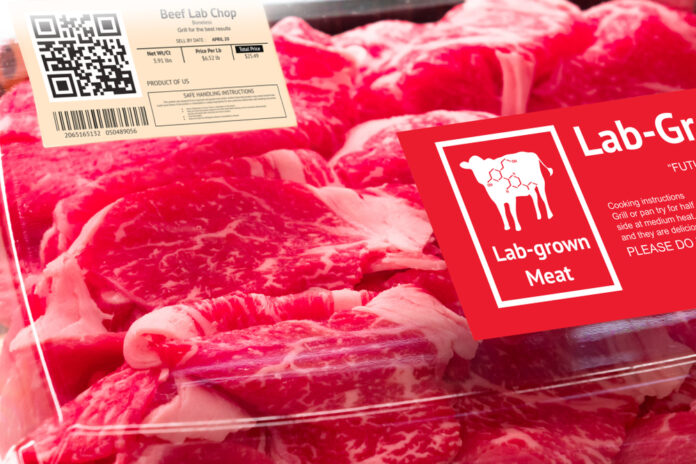
It is possible that lab-grown meat will soon be available in many restaurants. This product may even be offered at several restaurants starting this year. According to executives from cultivated meat companies lab-grown meats may soon be available on the menu.
This is due to a regulator’s approval of this cultivated meat business. Some meat companies have signed prestigious chefs like Jose Andre (an Argentine chef) and Francis Mann (an Argentine chef). These products will not be a staple in many households and restaurants, but they must first overcome some major hurdles.
Lack of adequate funding is one of the major challenges. This allows products like cultivated beef steaks or chicken breasts to be relatively affordable in the country. Customers are reluctant to try to eat lab-grown meat, making this issue even more difficult.
Lab-grown meats can be meats that are produced by the in-vitro culture of animal cells. These meats are also known as cell-derived meat or slaughter-free meat. They are made from the extraction of cells from animals. These cells are kept in large steel vessels called bioreactors. They are then processed into meat that looks and tastes like real meat.
But, only one country
Singapore has approved the retail sale cultivated meat. The United States is poised to follow suit. The U.S. Food and Drug Administration noted that UPSIDE Foods, a California-based company, had certified that the cultivated meat products were safe for consumption.
UPSIDE is now aiming to achieve meaningful engagement with restaurants by 2023 and grocery stores in 2028.
The Future of Food
Culture meat isn’t a new concept. It was not invented a few years back. In 2013, Dr. Post Mark from the Netherlands created the first ever lab-grown burger. He was also co-founded by Google. Cultured meat was also offered to food critics but received mixed reviews. Many failed predictions were made about when these lab-grown products would be available on the shelves at different supermarkets after this experiment.
Kearney, a consulting firm, published a report that estimated that lab-grown and hi-tech vegan substitutes would account for about one-third the world’s meat supply. The report stated that cultured meats could overtake vegan alternatives by 2040 and account for 35% of the global market.